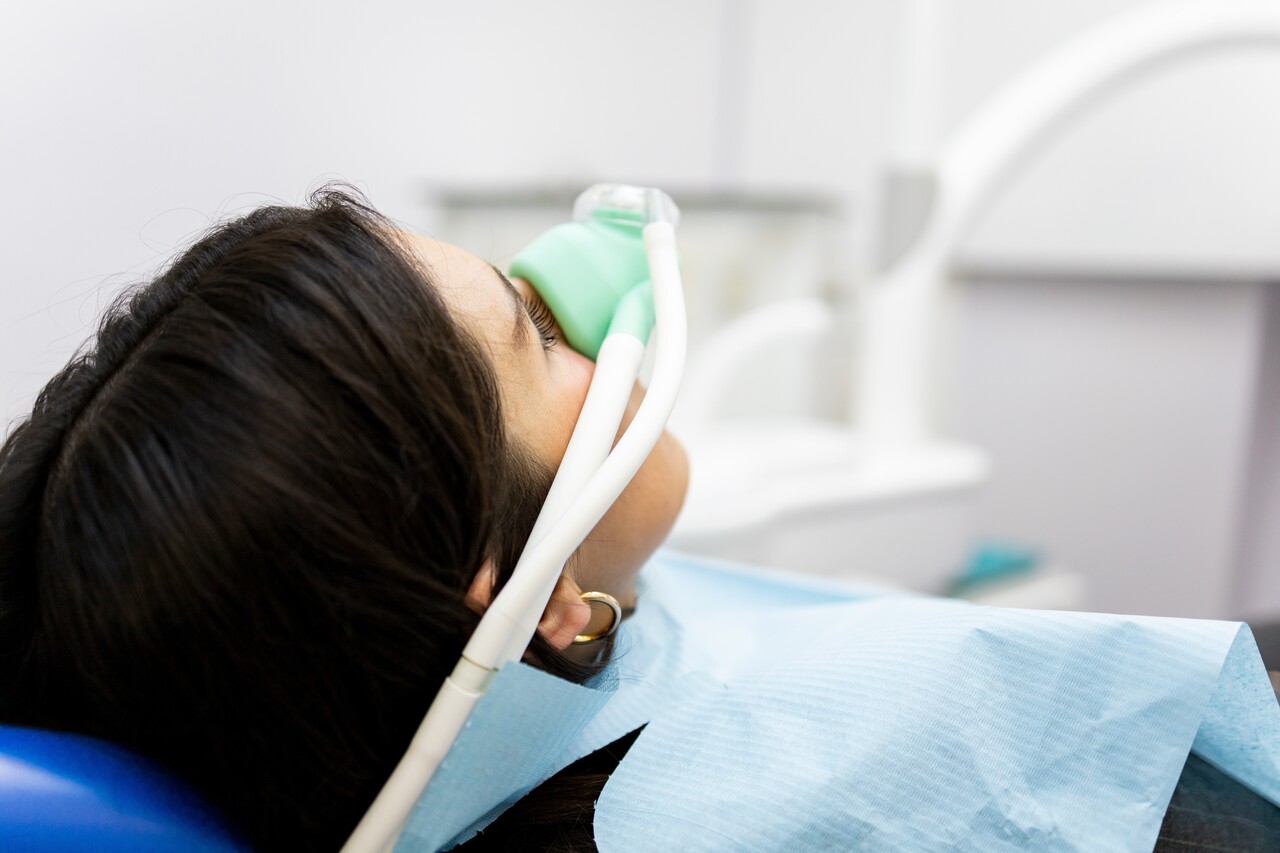
If a child has several cavities, or is not able to tolerate needed treatment, Dr. Church may recommend that the child be sedated in order to complete the treatment. There are 3 main reasons to take this approach:
- The dental work can be completed without causing long-term dental trauma to the child
- Dental work may be unsafe to attempt to complete on a child who is moving constantly or suddenly
- Dentistry can be very technique-sensitive. Completing the work on an immobile, sleeping child allows Dr. Church to do an excellent job which will drastically improve the prognosis of the dental work
There are different methods to safely sedating a child. Dr. Church routinely uses nitrous oxide (laughing gas) in his office. If nitrous is not sufficient for the child, Dr. Church will discuss the other sedation options with you that will make the most sense for your child’s age, size, health, and treatment needs. General anesthesia is the most common method in cases where nitrous is insufficient.
Book OnlineFrequently Asked Questions (FAQ)
Why would my child need sedation for dental treatment?
Sedation is recommended for several reasons: 1) To prevent long-term dental trauma and anxiety for the child; 2) To ensure the procedure is safe, especially for children who move constantly or suddenly; and 3) To allow Dr. Church to complete technique-sensitive dental work with excellent precision, drastically improving the prognosis of the restoration.
What are the different types of sedation available?
Dr. Church will discuss various safe methods of sedation. The specific option recommended will be based on factors like your child’s age, size, overall health, and the complexity of the treatment they need.
Is dental sedation safe for my child?
Yes, your child’s safety is our top priority. Dr. Church is experienced in recommending the appropriate level of sedation and will only proceed with a method that is deemed safe for your child’s specific health profile.
Will my child be asleep during the entire procedure?
It depends on the type of sedation used. With minimal sedation (like nitrous oxide), the child is awake but relaxed. With deeper sedation, the child is essentially asleep and unaware of the procedure, ensuring they are immobile and comfortable. Dr. Church will clarify the expected level of consciousness for the recommended option.
Will my child remember the dental work?
One of the major benefits of sedation, especially deeper forms, is that children often have little to no memory of the treatment, which helps prevent the development of dental phobia and trauma.